
As a homeowner in Michigan, you take pride in keeping your family safe. You install smoke detectors, check your carbon monoxide monitors, and lock your doors at night. But there is a silent, invisible threat that could be seeping into your living room right now—one that you cannot see, smell, or taste.
It’s called radon gas, and in Michigan, it’s more common than most people realize. In fact, health experts often refer to it as the “silent killer” because of its link to serious health issues. If you’ve heard the term but aren’t quite sure what it means for your home in Detroit, Grand Rapids, or Lansing, you’re not alone.
At Epic Radon, we believe that every family deserves to breathe clean air. This guide will walk you through everything you need to know about radon, why Michigan homes are at higher risk, and how you can protect your loved ones.
What Is Radon?
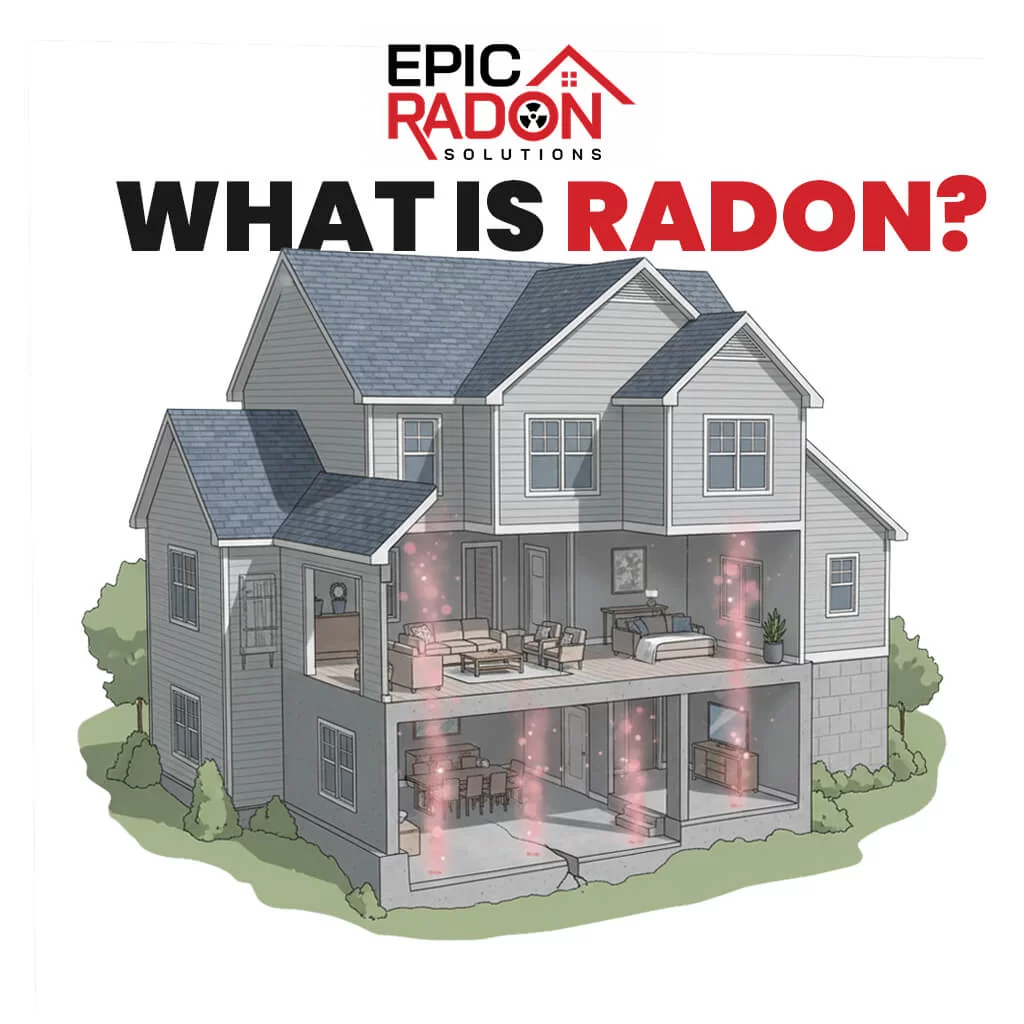
Simply put, what is radon? Radon is a naturally occurring radioactive gas. It is produced by the natural breakdown (decay) of uranium in the soil, rock, and water beneath our homes.
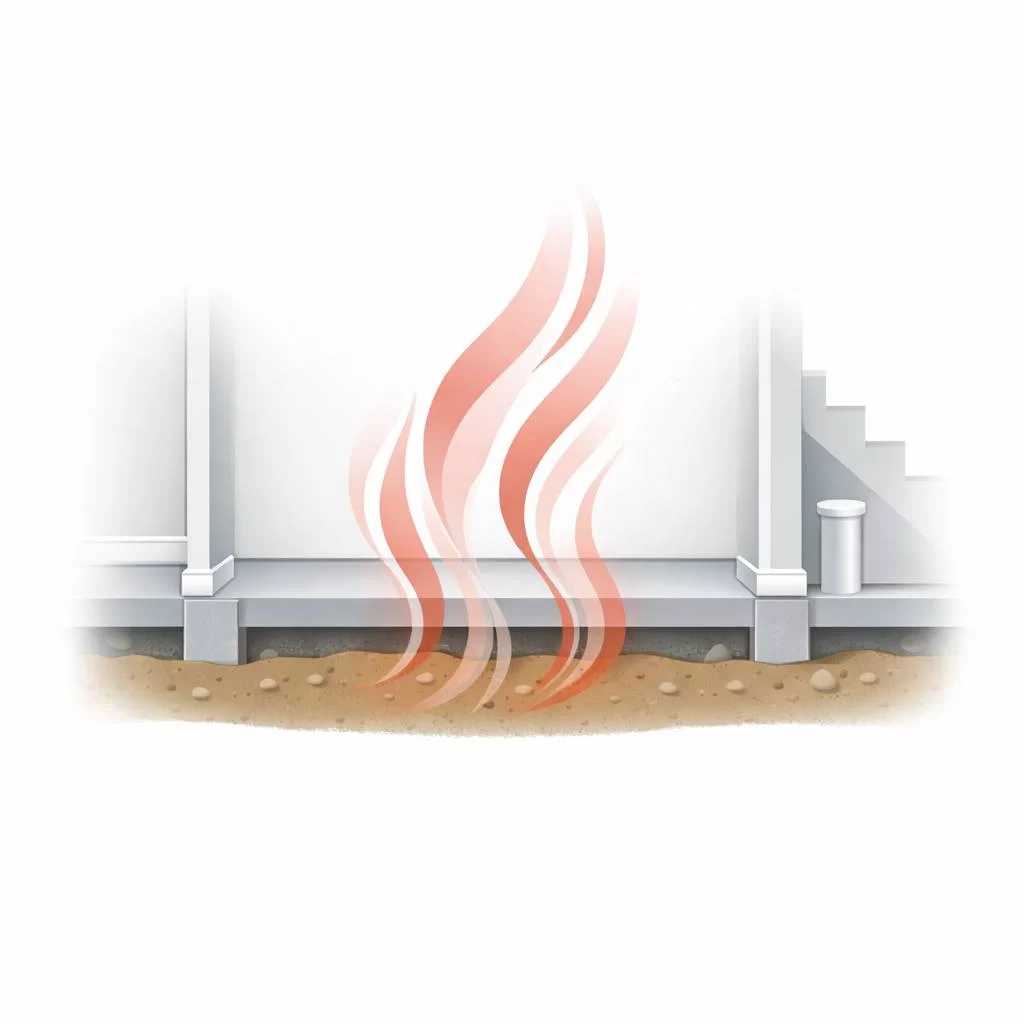
Because it is a gas, it moves easily through the ground and into the air. Outdoors, radon is diluted by the atmosphere and poses little risk. However, when it becomes trapped inside an enclosed space—like your basement or crawl space—it can accumulate to dangerous levels.
The “Silent” Threat
The most dangerous thing about radon is that it is completely undetectable by human senses.
- Invisible: You can’t see it.
- Odorless: It has no scent (unlike the “rotten egg” smell added to natural gas).
- Tasteless: You won’t notice it in your food or water.
Without professional radon testing, there is absolutely no way to know if your home has a radon problem.
How Radon Enters Michigan Homes
Many homeowners assume that if their house is new or “well-built,” they are safe. Unfortunately, the opposite is often true. Newer, energy-efficient homes are often so tightly sealed that they actually trap radon gas inside more effectively than older, draftier houses.
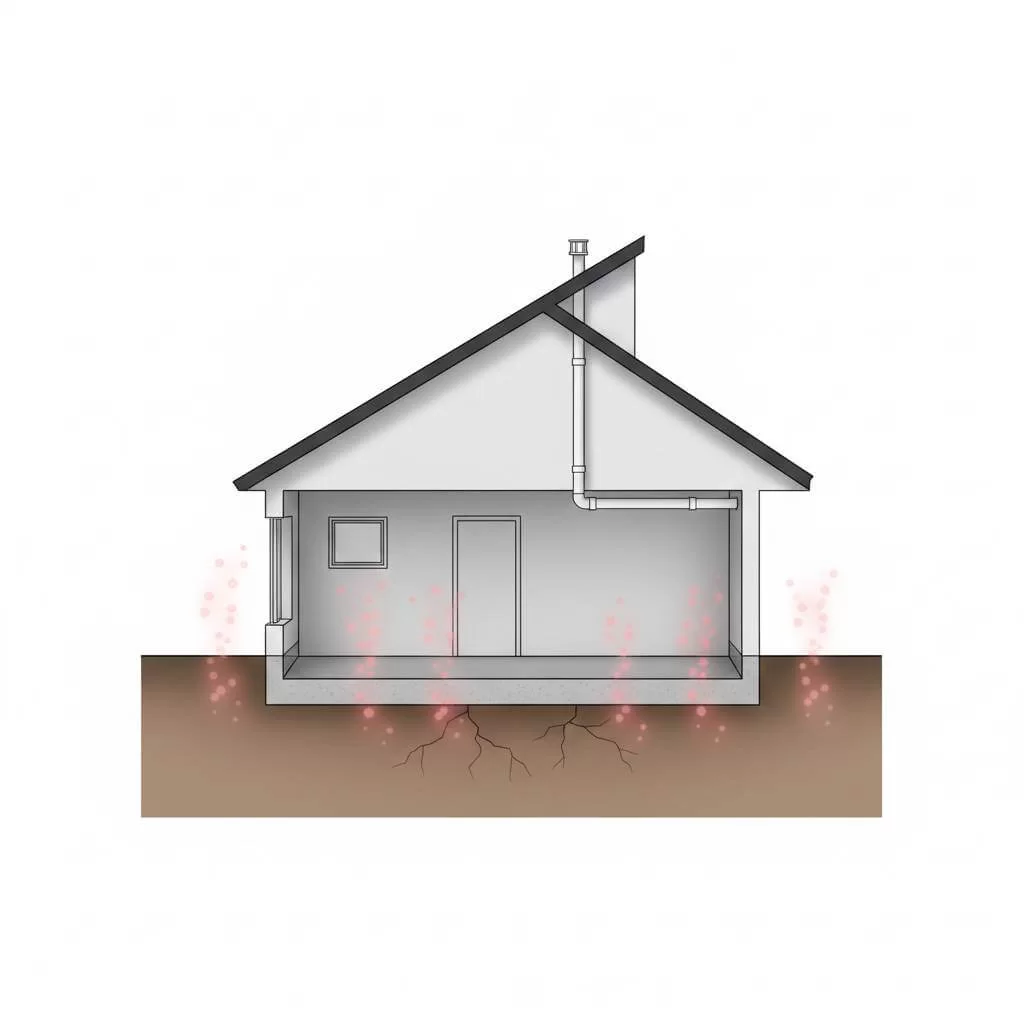
Radon enters your home through a process called “pressure differentials.” Essentially, your home acts like a vacuum, pulling soil gases up through any available opening. Common entry points include:
- Foundation Cracks: Even hairline fractures in concrete slabs or basement walls.
- Sump Pumps: Open sump pits are direct gateways for soil gas.
- Floor-Wall Joints: The tiny gap where your basement floor meets the wall.
- Utility Penetrations: Gaps around plumbing, electrical wires, or sewer pipes.
- Crawl Spaces: Homes with dirt-floor crawl spaces are especially vulnerable.
Why Radon Is Dangerous to Your Health
The term “silent killer” isn’t an exaggeration. When you breathe in radon gas, radioactive particles can become trapped in your lungs. As these particles break down, they release small bursts of energy that damage lung tissue.
The Connection to Lung Cancer
According to the EPA, radon is the leading cause of lung cancer among non-smokers and the second leading cause overall, right behind cigarette smoking.
- Lung Cancer Risk: Radon is responsible for an estimated 21,000 lung cancer deaths in the U.S. every year.
- Combined Risks: If you smoke and have high radon levels in your home, your risk increases exponentially.
- No Early Warning Signs: Unlike carbon monoxide, radon exposure symptoms don’t show up right away. The damage happens silently over years of exposure.
Michigan Radon Levels: Why Local Homes Are at Risk
Is radon common in Michigan? Yes. In fact, the state estimates that 1 in 4 Michigan homes has elevated radon levels.
Because of our state’s unique geology—rich with glacial deposits containing uranium—certain areas are higher risk than others. However, high radon has been detected in all 83 Michigan counties. Whether you live in a high-risk zone or an area with lower averages, your specific house could still have a problem while your neighbor’s house is perfectly safe.
Common Signs & Misconceptions About Radon
There is a lot of misinformation out there regarding home safety. Let’s clear up a few common myths:
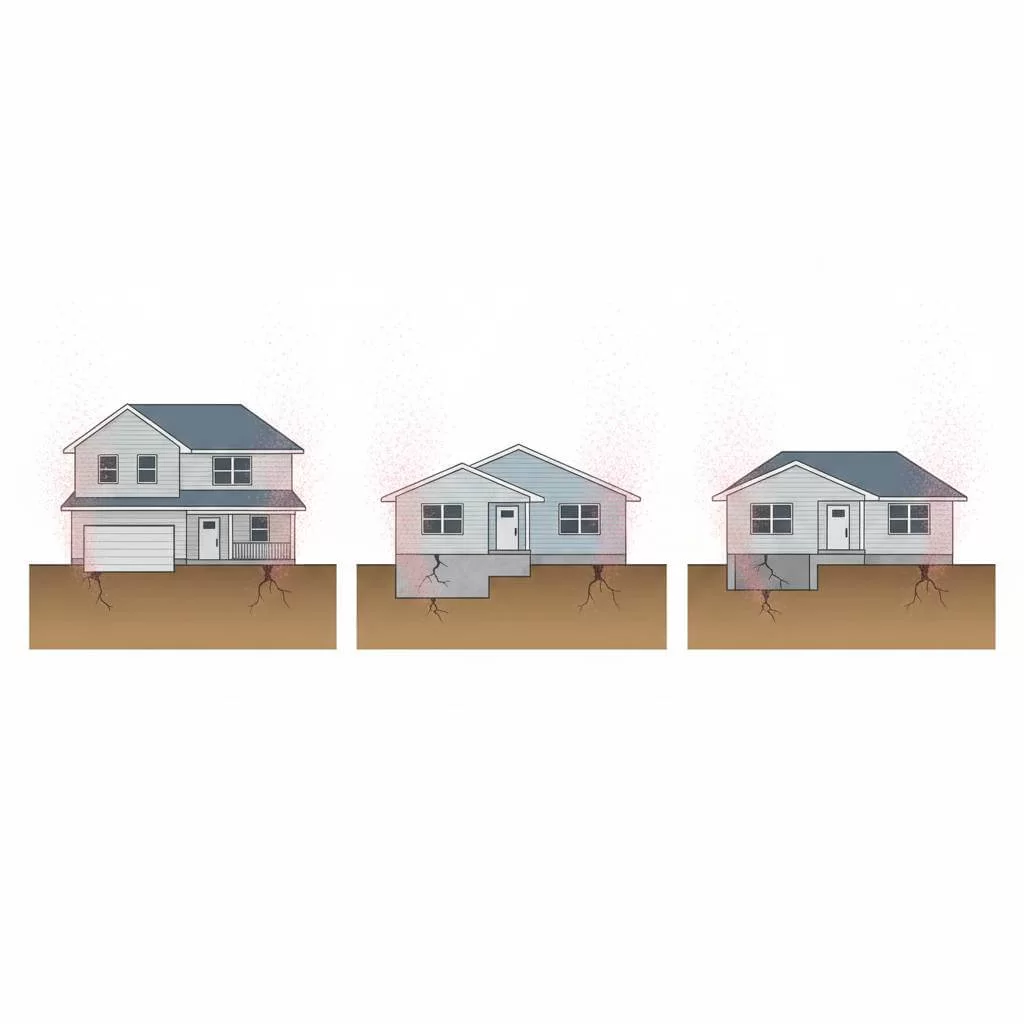 |  |  |
| “I don’t have a basement, so I don’t have radon.” | “My home is new, so it must be safe.” | “I would feel sick if there was gas in my house.” |
| Fact: Radon can enter slab-on-grade homes and houses with crawl spaces just as easily. | Fact: New construction often uses “passive” systems that may not be enough to keep levels below the EPA action level. | Fact: There are no immediate symptoms. You won’t feel a thing until a health issue arises years later. |
How Homeowners Can Protect Their Families
The good news is that radon is a fixable problem. You don’t have to live in fear of the air you breathe.
1. Professional Radon Testing
The first step is always a test. While hardware store kits exist, they are often prone to user error. Our radon testing services provide a calibrated, tamper-resistant report that gives you an accurate picture of your home’s air quality.
2. Radon Mitigation Systems
If your test results come back at or above 4.0 pCi/L (the EPA’s “action level”), it’s time to look into radon mitigation system installation. A mitigation system uses a specialized fan and PVC piping to vent the gas from beneath your foundation directly to the outside, safely bypassing your living areas.
Why Choose Epic Radon?
- Certified Experts: Fully licensed and insured for both Michigan and Indiana.
- Transparent Value: Competitive radon system installation cost with no hidden fees.
- Proven Results: We use industry-leading tech to get your levels well below the 4.0 pCi/L action limit.
Frequently Asked Questions (FAQs)
What level of radon is dangerous? The EPA recommends taking action if your radon level is 4.0 pCi/L or higher. However, because there is no “safe” level of radon, many homeowners choose to mitigate if their levels are between 2.0 and 4.0 pCi/L.
Is radon common in Michigan? Yes. About 25% of homes in Michigan are expected to have radon levels above the legal action limit. High levels are found in every county in the state.
Can new homes have radon? Absolutely. In fact, some newer homes have higher levels because they are so well-insulated that the gas cannot escape once it enters the structure.
Ready to ensure your air is safe?
Schedule your radon test or request a free mitigation estimate today. Serving homeowners across Michigan and Indiana with expert care.