
My Radon Test Is High. What Should I Do?
A radon test result of 4.0 pCi/L or higher means you should take action to reduce radon levels in your home. The next steps are straightforward: confirm the result with a follow-up test, schedule a professional mitigation assessment, and install a system designed to bring levels below the EPA action level.
This guide walks you through exactly what a high radon result means, how to verify it, when to call a certified contractor, and what to expect from the mitigation process. It is written for homeowners in Michigan and Indiana who have tested their home and received an elevated reading.
What Counts as a High Radon Test Result?
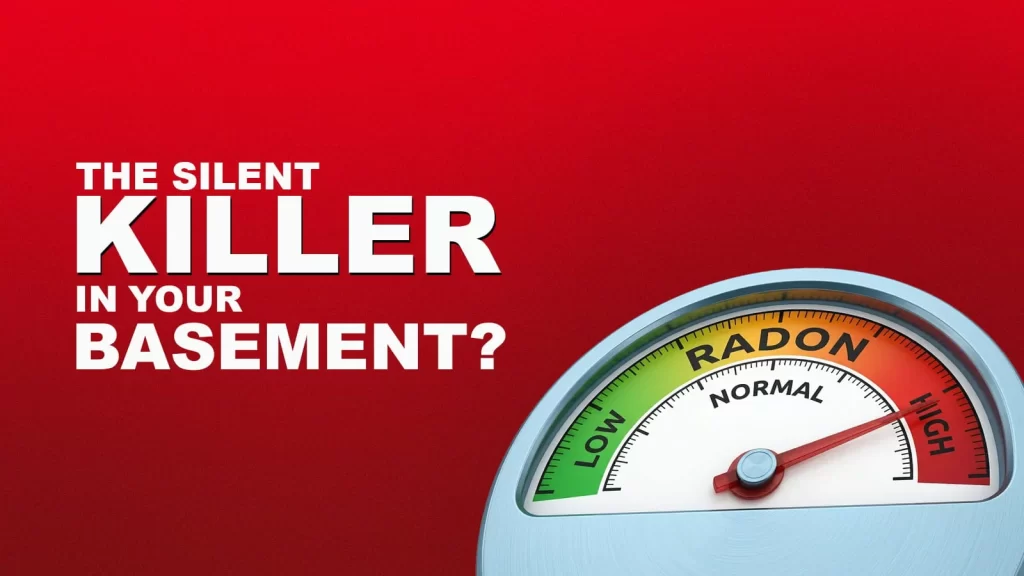
The EPA action level for radon is 4.0 picocuries per liter (pCi/L). Any result at or above this number is considered elevated and warrants action. Results between 2.0 and 3.9 pCi/L are in a gray zone where mitigation is worth considering, especially if you spend significant time in the lowest level of your home.
Radon levels are measured in picocuries per liter of air. The number tells you how much radioactive radon gas is present in your indoor air at the time of testing. Because radon levels fluctuate naturally with weather, season, and home operation, a single reading is a snapshot — not a permanent verdict.
| Radon Level (pCi/L) | What It Means | Recommended Action |
|---|---|---|
| Below 2.0 | Low risk | Retest every 2 years |
| 2.0 – 3.9 | Consider mitigation | Retest; consult a professional |
| 4.0 or higher | Action level exceeded | Take action — confirm and mitigate |
| 10.0 or higher | Significantly elevated | Mitigate promptly; avoid delay |
Why 4.0 pCi/L?
The EPA set 4.0 pCi/L as the action level based on decades of research linking indoor radon exposure to lung cancer. There is no completely safe level of radon, but 4.0 pCi/L represents a threshold where the risk is high enough to justify the cost and effort of mitigation. Many health agencies recommend reducing levels as far below 4.0 as reasonably achievable.
Step 1: Confirm the Result With a Follow-Up Test
Before committing to mitigation, confirm the initial reading with a second test. The EPA recommends follow-up testing when a short-term test shows 4.0 pCi/L or higher. This is not because the first test was necessarily wrong — it is because radon fluctuates, and you want a reliable baseline before designing a system.
For results between 4.0 and 10.0 pCi/L, a long-term test (90+ days) gives the most accurate annual average. For results above 10.0 pCi/L, a second short-term test is acceptable because immediate action is clearly warranted.
For short-term tests, keep windows and exterior doors closed for at least 12 hours before and during the test. Place the device in the lowest livable level of the home, at least 20 inches off the floor.
If both tests average 4.0 pCi/L or higher, mitigation is the correct next step. If the average falls between 2.0 and 3.9, you have a decision to make based on your risk tolerance and how the space is used.
Practical note: Many radon kits include a follow-up test in the purchase price. If you used a professional tester, they can guide you on whether to retest or proceed directly to mitigation.
Step 2: Understand Your Mitigation Options
The most effective and common radon reduction method is active soil depressurization (ASD). This system uses a fan-powered pipe to create negative pressure beneath your foundation, drawing radon gas from the soil and venting it safely above your roofline before it ever enters your living space.
| Mitigation Method | Best For | Effectiveness |
|---|---|---|
| Sub-slab depressurization | Basements and slab-on-grade foundations | Up to 99% reduction |
| Submembrane depressurization | Crawl spaces | Up to 99% reduction with sealed membrane |
| Drain tile depressurization | Homes with existing drain tile systems | Highly effective when properly sealed |
| Sealing + ventilation | Temporary or supplemental measures | Variable; rarely sufficient alone |
Sealing cracks and openings in your foundation complements a depressurization system, but sealing alone is not a reliable mitigation strategy. Research shows that passive radon-resistant techniques in new construction can reduce levels, but active systems are far more consistent for existing homes.
What About Opening Windows?
Ventilation can temporarily lower radon readings, but it is not a solution. Radon continuously seeps from the soil, and as soon as windows close, levels return. Using ventilation as a mitigation strategy also wastes energy and is impractical in Michigan and Indiana winters.
Step 3: Schedule a Professional Assessment
Choose a certified radon mitigation contractor. In Michigan and Indiana, look for NRPP (National Radon Proficiency Program) certification or state licensure where applicable. A certified professional will assess your foundation type, current radon levels, and home layout to design a system specific to your property.
During the assessment, the contractor should:
- Review your test results and testing conditions
- Inspect your foundation for entry points and suction point locations
- Determine whether one or multiple suction points are needed
- Provide a written estimate with system design details
- Explain post-installation testing and warranty terms
Epic Radon Solutions provides free on-site assessments for homeowners in Michigan and Indiana. With over 15 years of specialized experience and more than 5,000 system installations, our NRPP-certified team designs systems guaranteed to reduce radon levels below 4.0 pCi/L.
What to Expect During Installation
A standard radon mitigation installation takes 2 to 4 hours for most homes. The process is non-invasive and does not require you to leave your home.
The contractor drills a small hole (typically 4–5 inches) through the basement floor or slab at the optimal location identified during assessment.
PVC pipe is connected from the suction point and routed vertically through the home to an exterior wall or roof penetration. All foundation cracks and pipe penetrations are sealed with polyurethane caulk or hydraulic cement.
An inline radon fan is installed in the attic, garage, or exterior wall. The vent pipe terminates above the roofline to safely discharge radon gas outdoors.
The system is powered on and a U-tube manometer is installed to provide visual confirmation that suction is active. A post-installation radon test is typically conducted within 24 hours to verify effectiveness.
Radon levels begin dropping immediately after the system is activated. Most systems achieve their full reduction within 24 hours, and levels remain low as long as the fan operates continuously.
How Much Does Radon Mitigation Cost?
Professional radon mitigation in Michigan and Indiana typically costs between $800 and $1,500 for a standard single-suction-point system. Complex foundations, multiple suction points, or crawl space encapsulation can push costs higher.
| System Type | Typical Cost Range | Notes |
|---|---|---|
| Single suction point (basement/slab) | $800 – $1,200 | Most common residential installation |
| Complex foundation (crawl + basement) | $1,200 – $1,800 | Multiple suction points or membrane systems |
| Commercial / large home | $1,800 – $3,000+ | Multiple fans, larger pipe diameters |
Ongoing costs are minimal. The radon fan uses approximately $2 to $5 per month in electricity. Fans are designed for continuous duty and typically last 5 to 10 years before needing replacement.
Is Mitigation Worth the Cost?
Compare $800–$1,500 to the health risk of long-term radon exposure. Radon is the number one cause of lung cancer among non-smokers and causes approximately 21,000 deaths annually in the United States. For most homeowners, the decision is straightforward. Mitigation also removes a known obstacle in real estate transactions.
Why Professional Installation Matters
Radon mitigation is engineering, not handyman work. A properly designed system accounts for your home’s specific foundation type, soil conditions, and air pressure dynamics. Poorly installed systems can fail to reduce radon, create backdrafts, or simply waste money.
Common DIY mistakes include:
- Undersized or oversized fans that fail to create adequate suction
- Pipe routing through living spaces, which can leak radon back indoors
- Improper vent termination (less than 12 inches above the roofline)
- Failure to seal foundation cracks and pipe penetrations
- No post-installation verification testing
Professional installation includes a warranty, post-mitigation testing, and the assurance that the system was designed by someone who understands radon physics. Epic Radon Solutions backs every system with a 5-year warranty and guarantees levels below 4.0 pCi/L.
Frequently Asked Questions
What does a high radon test result mean?
A result of 4.0 pCi/L or higher means the radon level in your home exceeds the EPA action level. It indicates that radon gas is accumulating indoors at a concentration that warrants mitigation to reduce long-term health risk.
Should I retest after a high radon result?
Yes, follow-up testing is recommended before installing a mitigation system. For results between 4.0 and 10.0 pCi/L, a long-term test provides the most reliable average. For results above 10.0 pCi/L, a second short-term test is sufficient to confirm the need for prompt action.
How quickly can radon levels be reduced after mitigation?
Most radon mitigation systems reduce indoor levels within 24 hours of activation. Standard systems can achieve reductions of up to 99% and maintain low levels as long as the fan operates continuously.
Do I need to leave my home during radon mitigation installation?
No. Installation typically takes 2 to 4 hours and does not require you to vacate the home. The process involves drilling one or more small holes in the foundation and routing pipe to the exterior.
How much does radon mitigation cost in Michigan and Indiana?
Standard residential mitigation systems typically cost between $800 and $1,500. Complex foundations or crawl space systems may cost more. Monthly electricity costs for the radon fan run approximately $2 to $5.
Can I just open windows to lower radon levels?
Ventilation can temporarily reduce radon readings, but it is not a permanent solution. Radon continuously enters from the soil, and levels return when windows close. A mechanical mitigation system is the only reliable long-term fix.
How long does a radon mitigation system last?
The PVC piping and foundation sealing can last decades. The radon fan typically needs replacement every 5 to 10 years, depending on the model and operating conditions. Fans are designed for continuous 24/7 operation.
What should I do if my radon level is above 10 pCi/L?
Levels above 10 pCi/L warrant prompt action. Contact a certified radon mitigation contractor as soon as possible. You do not need to wait for a long-term test at this concentration — a second short-term test is sufficient confirmation, and mitigation should be scheduled without delay.
Does a high radon level affect home value?
An unmitigated radon problem can complicate real estate transactions, as many buyers request testing during inspection. Installing a mitigation system resolves the issue and provides documentation of reduced levels, which is generally viewed positively by buyers and lenders.
Will my radon system need maintenance?
Radon systems require minimal maintenance. Check the U-tube manometer monthly to confirm the fan is creating suction. Listen for unusual noises and watch for any increase in radon levels on periodic retests. Professional servicing is recommended if the manometer shows no pressure differential.
Conclusion
A high radon test result is not a reason to panic — it is a reason to act. Confirm the reading with a follow-up test, choose a certified mitigation contractor, and install a system designed for your home’s foundation. Within 24 hours of installation, radon levels typically drop below the EPA action level and stay there.
The cost of mitigation is modest compared to the health risk of long-term radon exposure. For homeowners in Michigan and Indiana, where elevated radon levels are common, addressing a high test result is one of the most impactful indoor air quality improvements you can make.
Next step: If your radon test came back at 4.0 pCi/L or higher, call Epic Radon Solutions at (800) 403-8460 to schedule your free mitigation assessment. Our NRPP-certified team has installed over 5,000 systems and guarantees results below 4.0 pCi/L.